
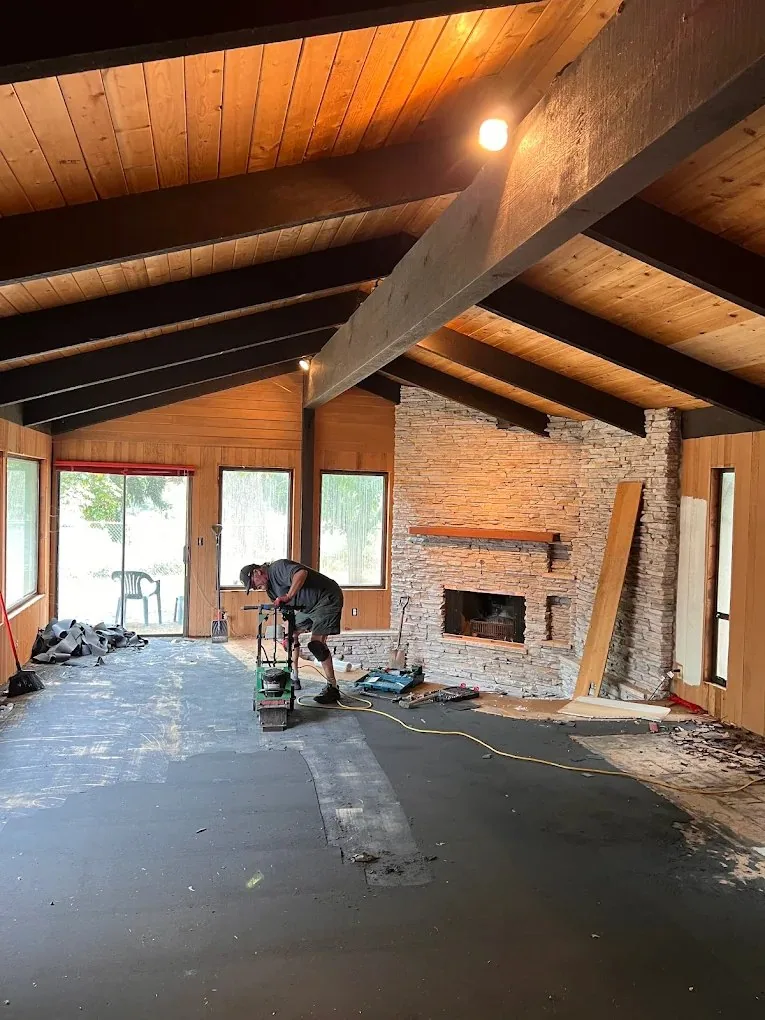
Winterizing a Eugene home isn't about preparing for blizzards — it's about preparing for months of persistent rain, damp cold, and the kind of gray that settles in around November and doesn't leave until March. Done properly, weatherproofing work makes your home noticeably more comfortable, cuts heating bills, and prevents the moisture-related damage that's responsible for most of the serious repair work in Willamette Valley homes.
Start with the Building Envelope
The building envelope — your walls, roof, windows, and foundation — is what separates your heated interior from the outside. Any gap, crack, or inadequately insulated section of that envelope costs you money every day the heat is on and lets moisture find its way in over time. A basic envelope audit before winter is the most productive thing you can do.
- Walk the perimeter and check where utilities enter the building — pipes, electrical conduit, and gas lines are common air-leak points
- Check the attic hatch; an unsealed attic access is one of the largest single air leaks in most homes
- Inspect exterior caulk around windows, doors, and trim; dried or cracked caulk lets in both air and water
- Look at the crawl space if your home has one — moisture accumulation under the floor is a Eugene-specific concern
Insulation: Where the Real Savings Live
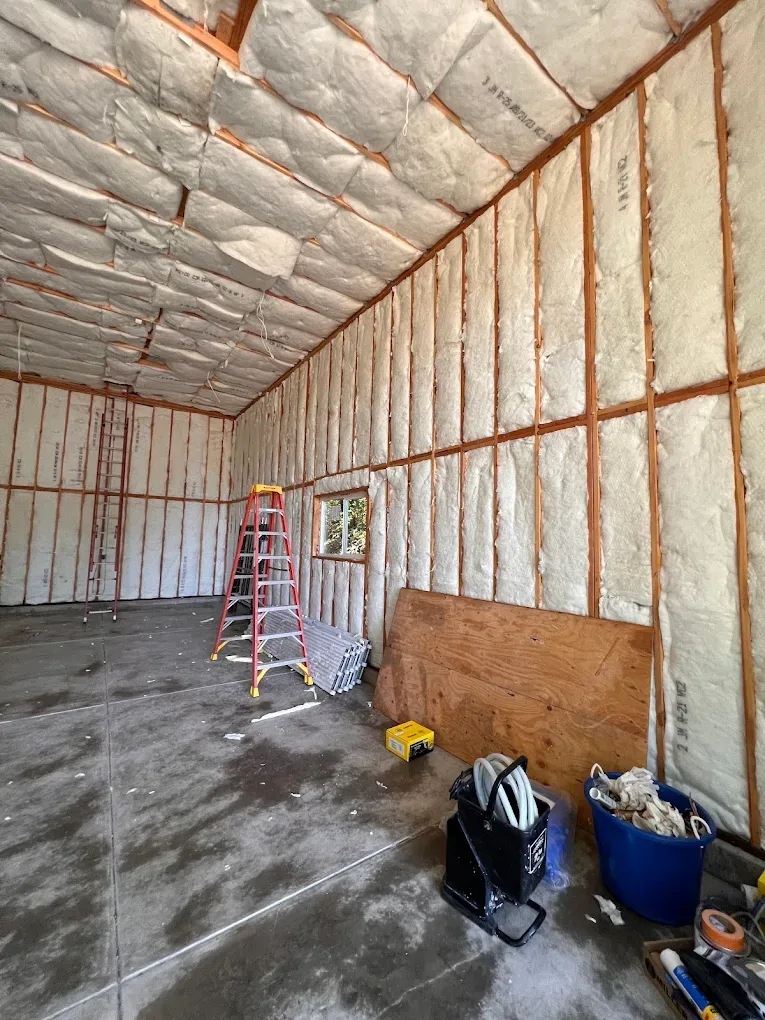
If your home was built before 1980, there's a reasonable chance the insulation is underperforming — either because it's the wrong R-value for Oregon's climate zone, because it was installed incorrectly, or because it's degraded over decades. Upgrading insulation is one of the highest-return weatherproofing investments available, and it changes how the home feels immediately.
- Attic insulation: the highest-priority area; heat rises, and a poorly insulated attic lets it pour out; Oregon's climate zone 4C calls for R-49 to R-60 in the attic
- Wall insulation: in older homes, exterior walls often have little or no insulation; blown-in insulation through small holes in the drywall or siding is minimally invasive
- Crawl space insulation: insulating the crawl space floor or walls and installing a vapor barrier dramatically reduces floor cold and ground moisture intrusion
- Band joist insulation: the rim joist at the top of your foundation wall is a common cold bridge; spray foam seals and insulates it efficiently
Windows and Doors
Single-pane windows are still common in Eugene's older housing stock, and they perform poorly in winter — they're cold to the touch, they condense moisture, and they lose heat rapidly. Replacing them with double-pane or triple-pane units improves comfort noticeably, reduces condensation that can lead to window frame rot, and cuts heat loss through that portion of the wall significantly.
- Double-pane low-e windows are the standard replacement in the Pacific Northwest climate
- Exterior door sweeps and weatherstripping degrade over time; replacing them is inexpensive and noticeably effective
- Storm doors add a second layer of protection and are particularly worthwhile on north- and west-facing entries that take the brunt of winter weather
Moisture Management: The Eugene-Specific Priority
Eugene averages around 46 inches of rain per year, most of it concentrated in the winter months. Moisture is the enemy of wood framing, insulation, and interior finishes. Good winterizing work always includes a moisture management component — not just keeping cold out, but keeping water out.
- Gutters should be clean and pitched correctly so water moves to downspouts, not over the edge against your siding
- Downspouts should discharge at least 6 feet from the foundation; extensions are cheap and effective
- Crawl space vapor barriers should cover the entire ground surface with overlapping seams and sealed edges
- Grade around the foundation should slope away from the house — soil settles over years and can reverse the slope
- Bathroom and kitchen exhaust fans should vent to the exterior, not into the attic — a common mistake in older installations
Heating System Readiness
A well-insulated home puts less demand on your heating system, but your system still needs to be in good working order before the cold arrives. This is basic maintenance rather than remodeling work, but it belongs in any practical winterizing checklist.
- Schedule a furnace or heat pump service before November — HVAC contractors are booked through December once the cold hits
- Replace or clean filters; a clogged filter reduces efficiency and can cause the system to short-cycle
- If you have a gas fireplace or furnace, make sure CO detectors are working and in-date
When Winterizing Becomes a Remodel
Sometimes a weatherproofing inspection surfaces bigger issues — failed window frames, rotted siding sections, inadequate crawl space drainage, or an HVAC system that can't efficiently heat a poorly sealed house. At that point, you're looking at remodel-level work rather than maintenance. That's not bad news; it's better to know now than to heat an inefficient home through another Eugene winter while the underlying problem gets worse.
If your winterizing checklist has revealed work beyond DIY scope, reach out for a free consultation or call Bari at (541) 515-3843. We handle insulation upgrades, window replacements, crawl space work, and the full range of home remodeling projects across Eugene, Springfield, and Lane County.
Thinking about a project?
Bari will look at your lot and give you an honest estimate — free, no pressure.
Begin Your Project →