
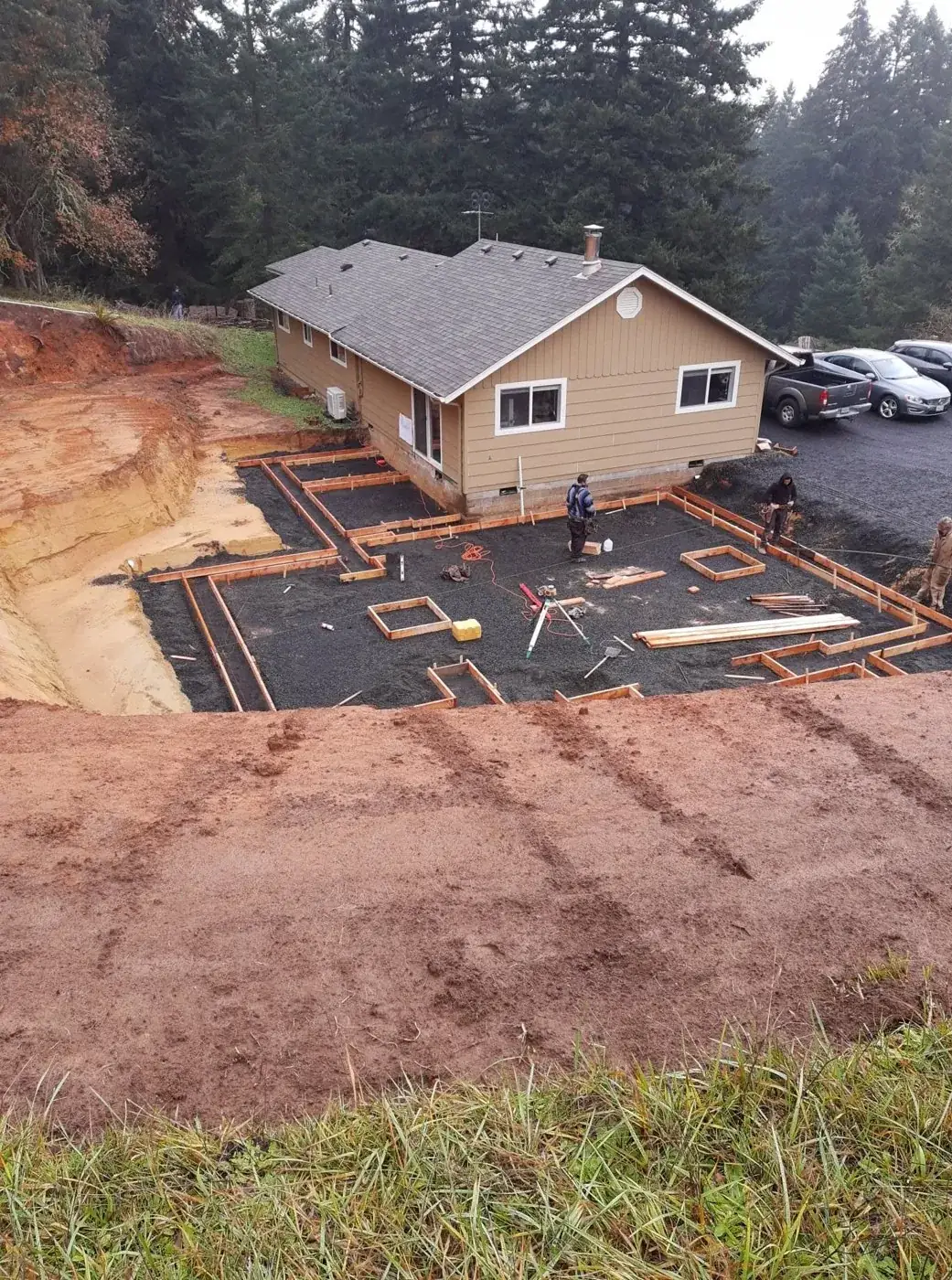
For a lot of people, a garage is where a car parks and a lawnmower lives. For collectors, hobbyists, and enthusiasts, it's something else entirely — a workshop, a showroom, a sanctuary. If you have a serious collection of vintage comics, action figures, memorabilia, instruments, sports cards, model trains, or any other items that combine passion with real financial value, your storage situation matters as much as the collection itself. A custom garage built around your hobby isn't an indulgence. It's sensible stewardship.
Climate Control Is Non-Negotiable for Serious Collections
Standard garages are terrible environments for anything you care about preserving. Temperatures swing wildly with Oregon's seasons — hot and dry in August, cold and damp from October through May. Humidity fluctuates constantly. Paper degrades, adhesives fail, metals corrode, and electronics get damaged by moisture. If your collection has any value — sentimental or monetary — climate control is the first thing to plan for.
- A mini-split heat pump provides both heating and cooling efficiently, with precise temperature control
- Proper insulation in walls, ceiling, and the garage door itself is required to make climate control cost-effective
- A dehumidifier or integrated HVAC with humidity control keeps relative humidity in the 45–55% range that most collectibles need
- Vapor barriers in the floor and walls prevent ground moisture from wicking in
Eugene's wet winters make humidity control especially important. A finished, insulated, climate-controlled garage is a fundamentally different environment from an unfinished one — and that difference is measurable in the condition of your collection ten years from now.
Display: Showing What You've Built
A collector garage should let you enjoy what you've assembled. That means thoughtful display, not just storage. The goal is a space that feels intentional — where you can appreciate individual pieces and show the collection to people who share the interest.
- Custom built-in shelving along the walls maximizes display space while keeping things organized and off the floor
- Glass-front display cases protect items from dust and handling while keeping them visible
- Track lighting or LED strips positioned at shelving height illuminate pieces without UV damage (look for UV-filtering bulbs)
- A dedicated display wall with proper mounting hardware works well for framed pieces, shadow boxes, or wall-hung collectibles
- A central area with a workbench or display table gives you a place to examine, photograph, or work on pieces
Security: Protecting Real Value
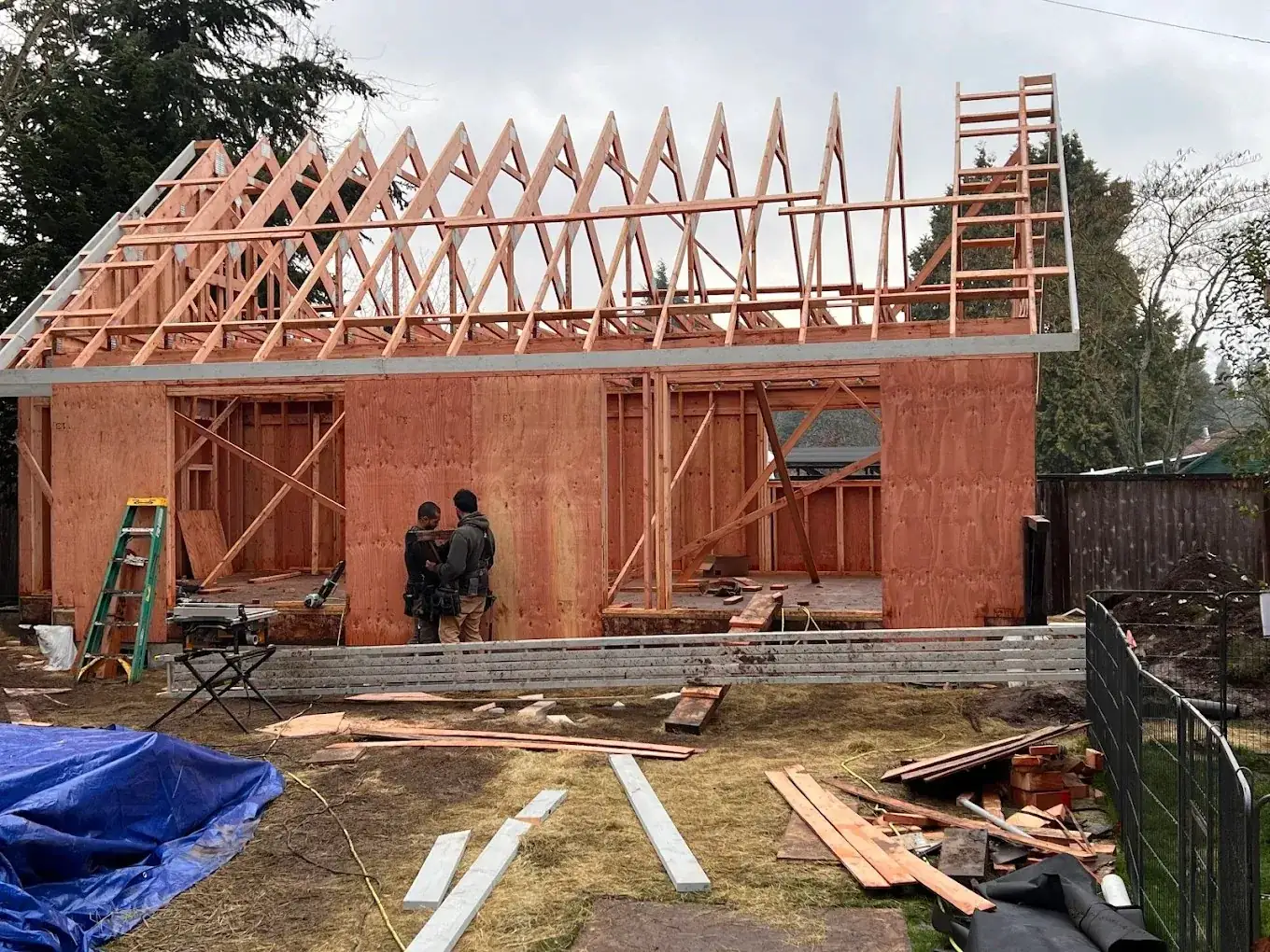
Serious collections represent serious money. A detached or attached garage that stores significant value needs security features that go beyond a padlock on the side door. This is especially true if your garage is separate from the main house — an unattached structure that isn't visible from the street needs its own security layer.
- Solid-core or metal exterior doors with quality deadbolts on all entry points
- A monitored alarm system with door and window sensors and motion detection
- Security cameras covering entry points, ideally tied to your phone for remote monitoring
- Reinforced door frames — most break-ins come through the door frame, not the lock itself
- Interior lighting on a timer or motion sensor discourages opportunistic entry
- Consider whether your homeowner's policy adequately covers the collection; many do not without a rider
Electrical: Enough Power for Lighting, Equipment, and Climate
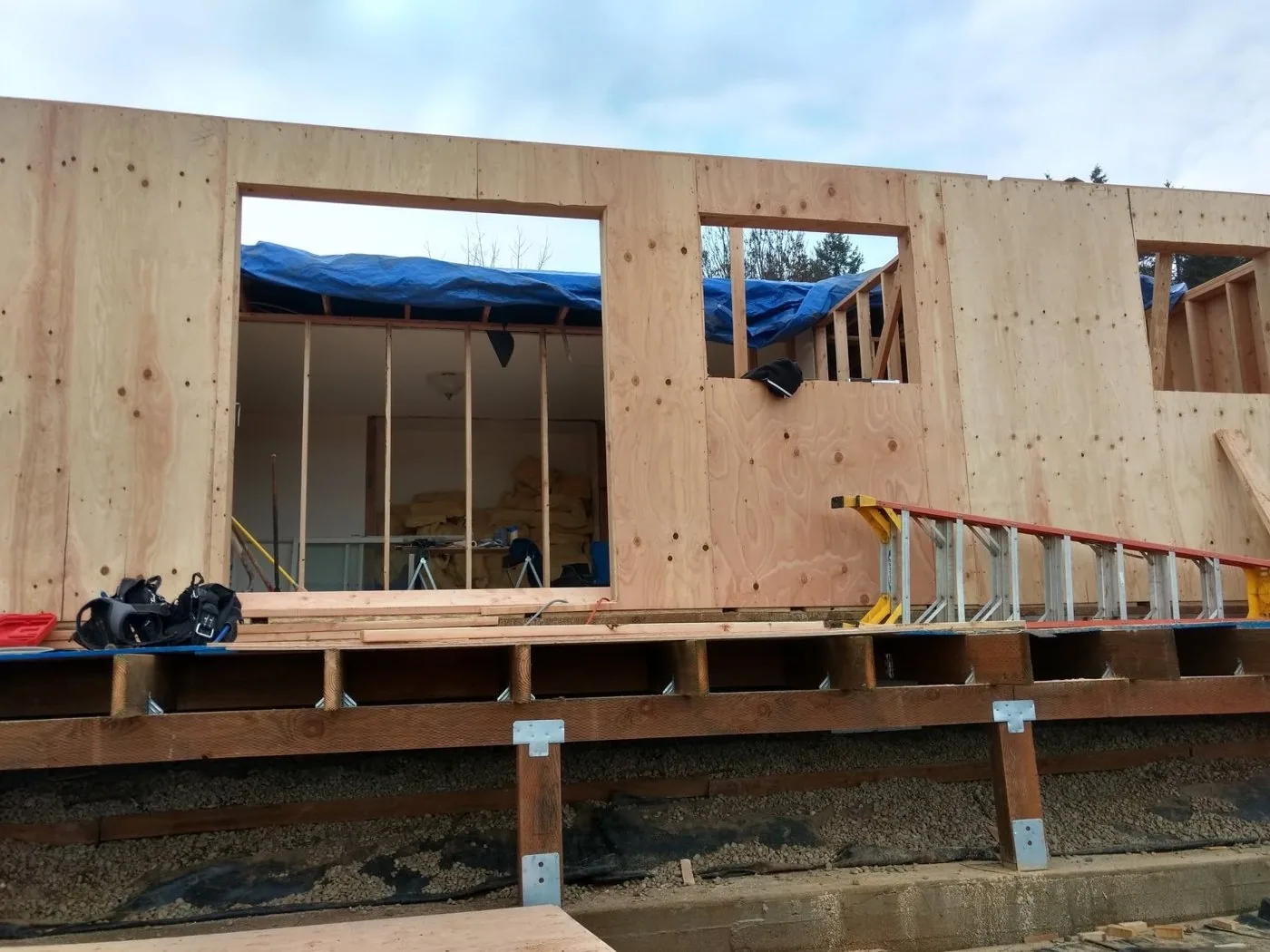
A collector garage has higher electrical demands than a standard one. Climate control, display lighting, security systems, workbench tools, and potentially computer or AV equipment all add up. Planning the electrical panel capacity upfront — rather than adding circuits piecemeal — saves money and frustration later.
- A dedicated subpanel for the garage gives you room to grow
- Plenty of outlets at workbench height and around display areas reduce the extension cord tangle
- USB charging outlets built into the walls are a small touch that makes the space easier to use
- Lighting circuits separate from power circuits, so a tripped breaker on one doesn't kill the other
Because Bari Swartz holds both a General Contractor license and a Supervisory Master Electrician license, electrical planning is part of the build from day one — not an afterthought farmed out to a sub.
Layout: Planning for the Way You Actually Use the Space
Before the framing starts, think through how you move in the space. Do you need a workbench area for restoration or repair? A seating area for enjoying the space with guests? Room for a vehicle alongside the collection? A photography corner for cataloging pieces?
- Zoning the garage into display, work, and utility areas keeps things from competing with each other
- Overhead storage keeps seasonal items out of the main space
- Epoxy or sealed concrete flooring is easy to clean and gives the space a finished look
- A utility sink is surprisingly useful for cleaning, restoration work, or just washing up
If you've got a collection worth protecting and displaying, a purpose-built space is the right move. We'd be glad to talk through what your ideal collector garage looks like — give us a call at (541) 515-3843 or reach out for a free consultation. We build in Eugene, Springfield, and throughout Lane County.
Thinking about a project?
Bari will look at your lot and give you an honest estimate — free, no pressure.
Begin Your Project →